How Silent Hill 2 Turned Static Into Dread
A close listen to the game's radio static and warped piano cues, and why that combination still unsettles players two decades later.
From Aswan, we dissect how silence, static, and score turn survival horror into something you can't shake off after the credits roll.
Six games whose sound design still shapes how we talk about dread
The rusted static and off-key piano cues built a template for psychological horror audio that writers here still reference constantly.
A quieter entry whose ambient hums and camera-shutter stings remain underappreciated in most sound design retrospectives.
Its fragmented broadcast-radio motif and overlapping village noise create a disorientation rarely matched by louder franchises.
A fan-made project whose distorted foley work shows how limited budgets can still produce genuinely unsettling audio texture.
Its reliance on near-silence over jump scares reshaped expectations for tension pacing in first-person horror.
A newer release blending retro synth drones with static bursts, proving the genre's audio language keeps evolving.
We examine how ambient loops, foley choices, and mixing decisions build dread, rather than just reviewing whether a game is scary. It's analysis of craft, not a scare-rating system.
No. We split coverage between recognizable franchises and overlooked entries whose sound teams took real risks, since the lesser-known titles often reveal more about technique.
Our contributors come from gaming journalism and sound design study, and we cross-reference composer interviews and developer commentary wherever it exists publicly.
Yes, reader suggestions shape a good portion of our upcoming pieces, especially for regional or lesser-translated horror titles that don't get much English-language coverage.
No. Venton Bateau Gaming operates independently out of Aswan, Egypt, with no publisher sponsorship influencing our editorial angle.
I've read a lot of horror game breakdowns, but the piece on Fatal Frame II's ambient loops actually explained why that game still bothers me years later.
Their Silent Hill 2 sound essay got passed around my Discord server for weeks. Someone finally put into words why that static effect works.
I appreciate that they don't just hype up jump scares. The Amnesia article on pacing and silence changed how I listen to games now.
Explore breakdowns of the sound choices that make survival horror linger long after you stop playing.
Why readers keep returning to our horror sound breakdowns
We treat audio design as the primary storytelling tool in horror games, not an afterthought behind visuals and plot.
From cult classics to lesser-known regional releases, our picks span decades and studios instead of repeating the same five titles.
Many teardowns start from reader requests, keeping our coverage grounded in what the community actually wants examined.
Based in Aswan and unaffiliated with publishers, our essays stay focused on craft rather than promotional angles.
Recent teardowns on horror atmosphere and audio craft
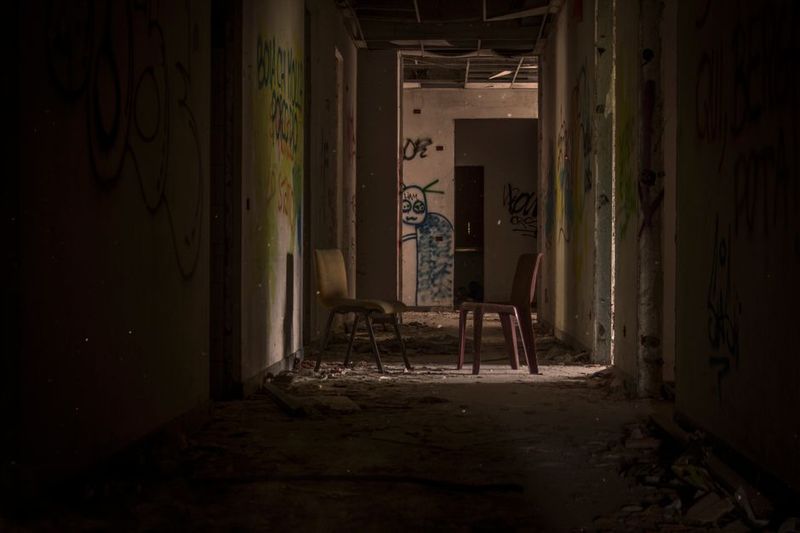
A close listen to the game's radio static and warped piano cues, and why that combination still unsettles players two decades later.
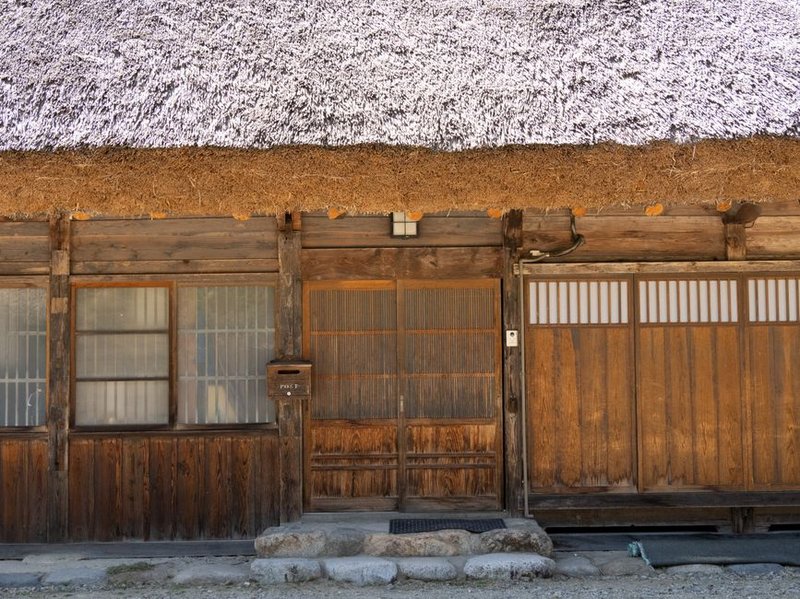
Revisiting the ambient hums and camera-shutter sound cues that made this entry a subtler, underrated study in tension.
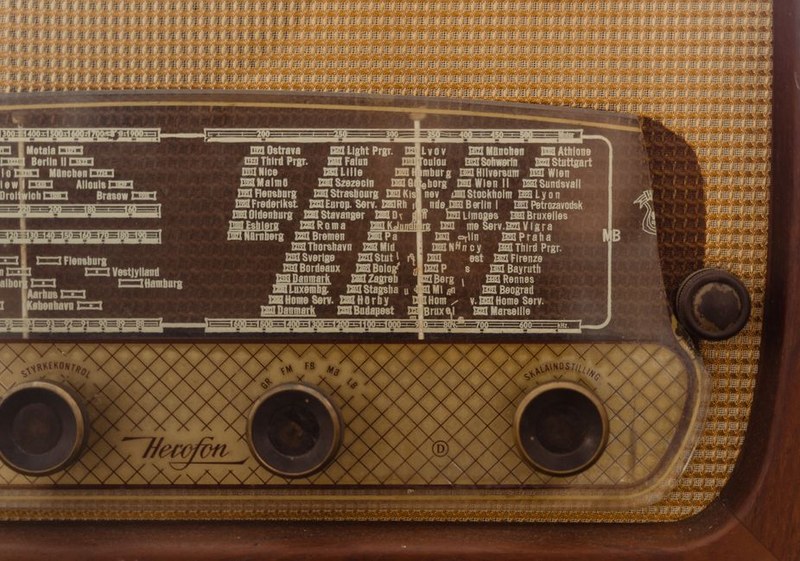
Breaking down how fragmented broadcast audio built disorientation into a village already thick with unease.
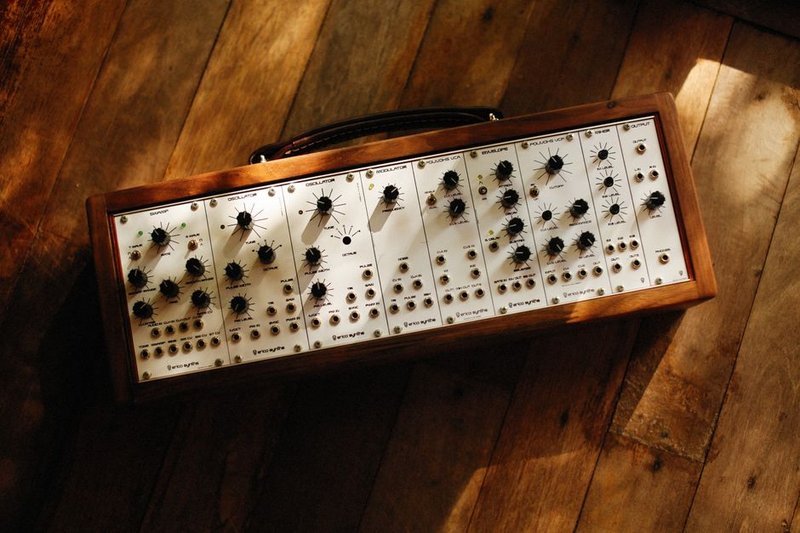
How a modern indie horror title revives analog synth textures to build atmosphere without leaning on jump scares.
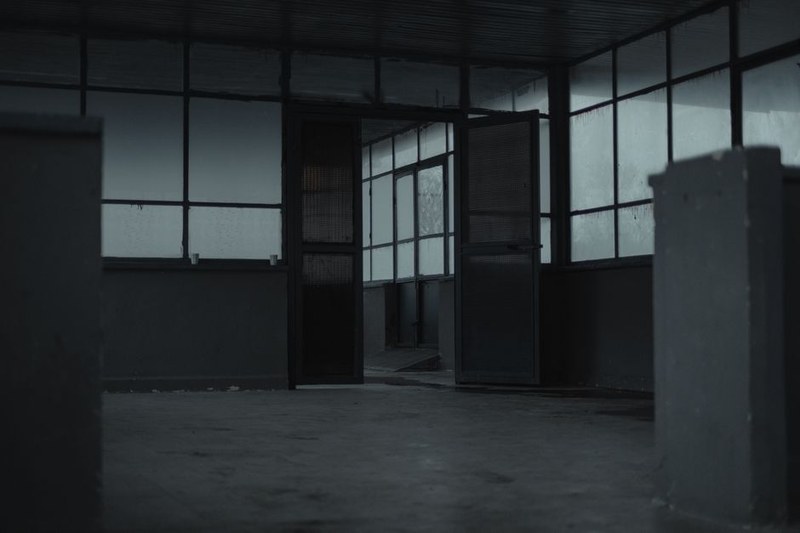
Examining Amnesia's pacing choices and why long stretches of near-silence do more damage than constant noise.